


Blonde Highlights: Everything You Need to Know
TL;DR: Blonde highlights are a versatile way to brighten your look. Success depends on choosing the right technique—like balayage for a natural grow-out or babylights for subtle shimmer—and a shade that complements your skin tone. Proper aftercare with sulfate-free and purple shampoos is important to help manage brassiness and maintain healthy-looking hair.
Key Takeaways:
Customization is Important: There are numerous highlighting techniques, including balayage, ombre, and babylights, each offering a different look and maintenance level.
Match Your Tone: For a flattering look, consider golden or honey tones for warm skin, and ash or platinum shades for cool skin.
Placement Matters: Concentrating highlights around the face can create a bright, impactful look without requiring a full head of color.
Aftercare is Key: To care for blonde highlights, use sulfate-free formulas, purple shampoos to help manage brassiness, and weekly deep-conditioning masks.
Thinking about blonde highlights? You’re not alone. This timeless, complexion—brightening color technique is beloved by everyone from celebrities to trendsetters and is more versatile and achievable than ever. We tapped Tracey Cunningham, Redken brand ambassador and the undisputed queen of the celebrity blondes, for the must—know info to consider before you book your appointment.
Why Choose Blonde Highlights?
Unlike other hair colors, blonde doesn’t go out of style—particularly when it’s in highlight form. According to Cunningham, that’s because the shade has a brightening, flattering influence on every head of hair. They instantly illuminate your face, add dimension, and can be customized for every base color—brunette, red, or black.
Much of the appeal lies in their ability to mimic the natural, sun-kissed strands of childhood. This subtle nod to youthfulness—without a drastic all-over color change—makes them a perennial favorite.
PRO TIP: Before you take the plunge, book a thorough consultation with your stylist and bring photo inspiration to ensure you’re on the same page. “Although you may think there’s only one way to interpret ‘honey blonde,’ a photograph ensures you and your pro envision the same final product.”
Understanding Highlighting Techniques
Not all blonde highlights are created equal. The technique you choose will impact your maintenance schedule, final result, and overall vibe. Here’s what you need to know about each:
Balayage

A freehand painting technique where lightener is swept onto the hair for a soft, sun-kissed, natural result with seamless grow-out.
- • Best For: Most hair lengths and textures; especially flattering on layered cuts and those seeking movement.
• Skin Tones: All; can be customized for warm, cool, or neutral complexions.
• Maintenance Level: Low—grows out beautifully without harsh lines.
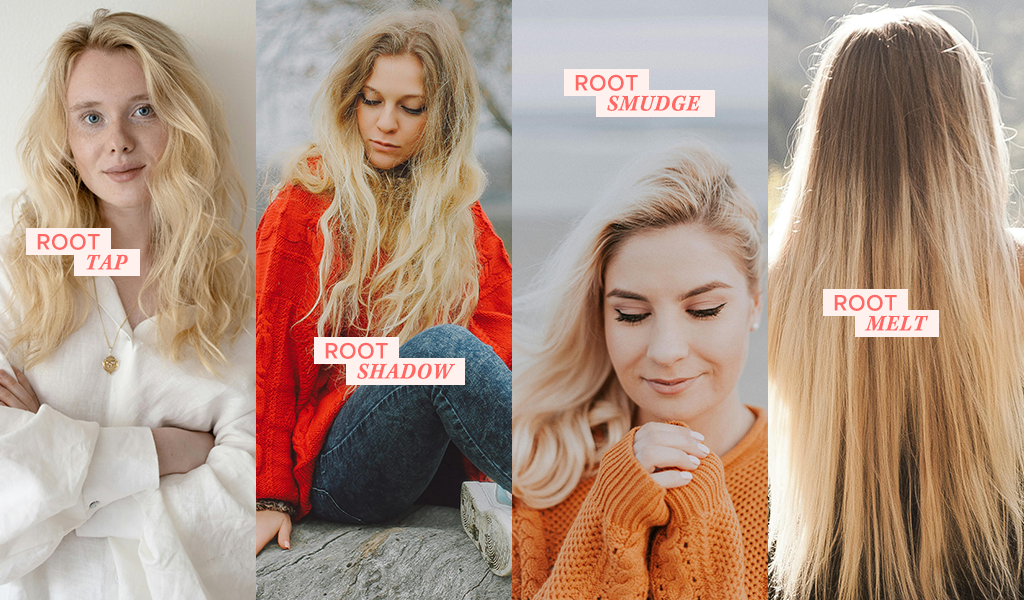
Root Tap
A subtle touch of color is tapped just at the root, creating a gentle blend between new growth and highlights for a soft transition.
- • Best For: Those who want minimal root definition or have fine hair.
• Skin Tones: Suitable for all tones as it uses shades close to your natural base.
• Maintenance Level: Low to medium—helps stretch time between touch-ups.
Root Shadow
A slightly deeper shade is applied at the roots after highlighting to create visible depth and blur the demarcation line.
- • Best For: Adding dimension to flat or single-process color; works well on medium to thick hair.
• Skin Tones: Adaptable; choose a shadow root shade that complements your undertones.
• Maintenance Level: Medium—lends regrowth but may require toning refreshes.
Root Smudge
A tinted gloss or demi—permanent color is smudged into the roots to soften contrast and ensure a seamless transition from root to highlight.
- • Best For: Blondes wanting ultra-blended, natural-looking regrowth.
• Skin Tones: Universally flattering with customizable tones.
• Maintenance Level: Medium—may need refreshing every few months.
Root Melt
A deeper root color is melted further down into lighter lengths for dramatic dimension and a lived-in look.
- • Best For: Long hair; those who love bold contrast and depth.
• Skin Tones: Suitable for most; especially striking on medium or olive skin.
• Maintenance Level: Low—intentionally grown—out look extends time between salon visits.
Babylights
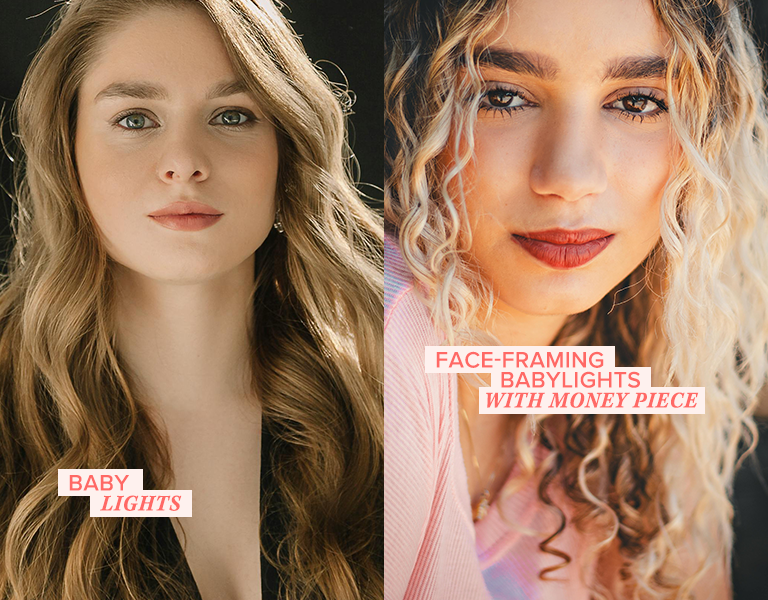
Ultra-fine, delicate highlights mimic naturally sun-lightened strands for subtle shimmer and movement throughout the hair.
- • Best For: Fine or thin hair seeking volume; anyone who wants subtle brightness.
• Skin Tones: Especially flattering on fair to light-medium skin tones.
• Maintenance Level: Medium—requires regular appointments for consistent brightness.
Face-Framing Babylights with Money Piece
Bright, delicate babylights are concentrated around the face while a bold “money piece” creates instant illumination and contouring effect.
- • Best For: All face shapes (especially round or heart-shaped) looking for an instant brightening boost.
• Skin Tones: Customizable placement flatters every skin tone; adjust warmth/coolness accordingly.
• Maintenance Level: Medium—money piece may need more frequent touch-ups than rest of hair.
Ombre

Color gradually transitions from dark roots to lighter ends, creating a striking gradient effect with high-impact dimension.
- • Best For: Long hair or anyone craving statement color without constant upkeep.
• Skin Tones: Best on medium, tan, or deep skin; can be adapted for any tone by adjusting shade intensity.
• Maintenance Level: Low—the intentionally grown-out look means less frequent salon visits.
Scandi Hairline
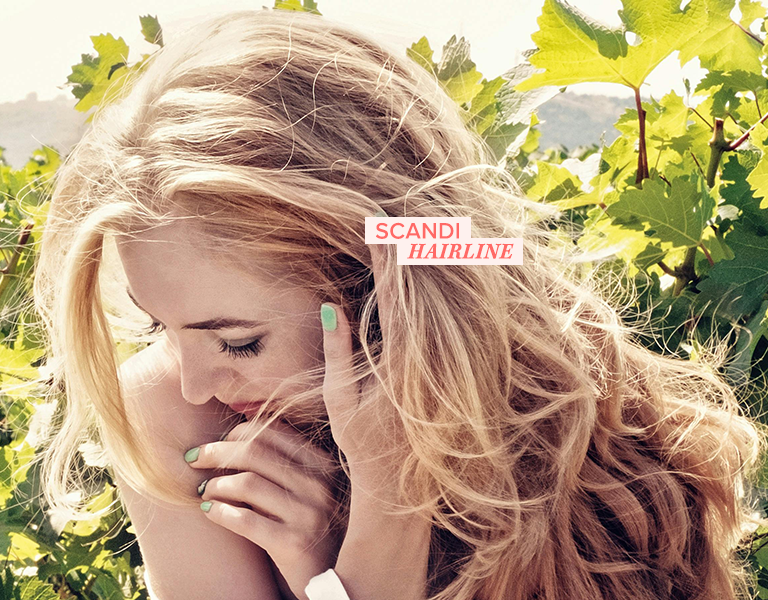
Micro-fine blonde highlights are placed along the entire hairline for an ultra-brightening effect that mimics Scandinavian summer sun exposure.
- • Best For: Those wanting maximum brightness around their face or updo wearers who want lightness pulled back as well as forward.
• Skin Tones: Beautiful on fair to light-medium complexions; customize shade intensity for deeper tones.
• Maintenance Level: Medium—hairline grows quickly, so may require more frequent touch-ups than overall balayage.
Before booking your appointment, it’s worth matching the highlight shade and placement to your individual palette and strand type. Use the quick cheat-sheet below to see which tones flatter your skin tone and which techniques play best with your hair’s natural texture.
Quick Skin Tone Guidelines
- • Warm undertones → Choose golden, honey, or caramel highlight shades; they amplify the skin’s natural warmth.
• Cool undertones → Ash, platinum, or icy-blonde highlights create a crisp contrast that complements cooler skin.
• Neutral undertones → You can wear both warm and cool highlight shades; pick the direction that best matches your style goals.
Hair Texture Tips
- • Balayage is adaptable to every hair type and length, making it a universal option.
• Babylights (ultra-fine foils) are especially effective on fine-to-medium hair, where chunky streaks could look too harsh.
Partial vs Full Highlights: What’s the Difference?
Partial: Partial highlights focus on lightening select strands of hair: typically, the top, crown, and face-framing pieces. The technique adds subtle dimension that mimics how the sun would naturally brighten hair. Partial highlights are faster, cost less, and cause less overall damage than a full placement. They’re ideal for adding brightness around the face, softening regrowth lines between appointments, or giving natural depth without a major color overhaul.
Full: A full highlight service distributes foils or balayage pieces throughout the entire head, including underneath layers and the back. This produces all-over lightness and a more dramatic contrast, making it easier to go several shades lighter or create high-impact dimension. Full highlights are more time-intensive and pricier than partials, but they give the most comprehensive color change and ensure that hair looks uniformly bright whether it’s worn up or down.
How To Get the Most Flattering Blonde Highlights
Placement is everything. “More highlights around the face will give clients a lighter look without having to color every strand of hair,” says Cunningham. If you’re trying blonde highlights for the first time, you’ll have to shake the common misconception that more color equals better color. Highlights should work to enhance your base color, add dimension, and create the illusion of added thickness, not take over your whole head. In the hands of a well-trained hair stylist, you’ll see that even the smallest changes will help bring your mane to life.
It’s also crucial to find a flattering shade of blonde for your highlights, one that plays nicely with both your skin tone and hair color. Although your colorist can help, have an idea of the specific hue you’d like before jetting off to your appointment.
Caring for Blonde Highlights
The secret to stunning blonde highlights is consistent maintenance and some much-needed aftercare to counteract the inevitable damage that comes with bleach:
- • Use sulfate-free formulas like L’Oréal Professionnel Blondifier Gloss Shampoo to keep color bright.
• Fight brassiness with Redken Blondage Duo Shampoo & Conditioner, especially if you’re rocking platinum or cool-toned shades.
• Deep treat weekly with Kérastase Blond Absolu Masque Ultra-Violet Hair Mask to nourish hair and preserve vibrancy during grow—out.
• Always use a heat protectant—Redken Thermal Spray 11 Low Hold is a great pick.
• Wash hair with lukewarm water to prevent premature fading.
Depending on your look, expect touch-ups anywhere from every six weeks to every six months. “The more drastic the change, the more salon visits you can expect,” notes Cunningham.
The Bottom Line
Blonde highlights are endlessly versatile and timeless, giving you the freedom to brighten and define your look with minimal commitment. With the right technique, personalized placement, and aftercare, you can achieve luminous results that flatter your complexion and fit seamlessly into your lifestyle. Ready to go brighter? Book a consultation with an experienced stylist and step into the world of expertly crafted blonde highlights.


