


Key Takeaways
- Building a custom hair routine starts with understanding your hair texture, strand thickness, porosity, scalp condition, and styling habits.
- Most routines follow the same order: cleanse, condition, treat, style, and protect.
- The right products should fill specific roles rather than create unnecessary overlap and buildup.
- Environmental factors such as humidity, hard water, and heat styling can influence how your routine performs.
- Persistent scalp irritation, sudden shedding, or unexplained thinning should be discussed with a qualified medical professional.
Healthy hair is all about using the right products for your hair type and needs. While it might seem easy to just grab a shampoo for frizz or a treatment for dryness, creating a routine that actually works requires a bit more thought. Think about your texture, strand thickness, scalp condition, porosity, wash frequency, and how you typically style your hair—each factor helps determine which products and techniques will give you your best hair days.
By building your regimen around these elements, you’ll spend less time on trial and error, avoid unnecessary product buildup, and ultimately enjoy a routine that’s easier to maintain. Whether you want smoother strands, more shine, enhanced curl definition, or long-lasting frizz control, understanding the role every product plays helps you support your hair from wash day through styling.
Ready to get started? First, identify your hair texture and strand characteristics, then follow the routine template below to pick the right steps, order, and frequency for your healthiest, happiest hair.
Identify Your Hair Type, Strand Thickness, Porosity, and Scalp Needs
Start by pinpointing your natural hair pattern—are your strands straight, wavy, curly, or coily? Hair texture plays a big role in how products work for you, but it shouldn’t be the only factor guiding your routine.
Next, look at strand thickness. Fine hair can get weighed down easily by heavy creams and oils, while coarse hair usually thrives with richer, more nourishing products. Remember, strand thickness is different from density: thickness refers to the circumference of each individual strand, while density describes how many strands grow from your scalp. Both will impact how much product you need and how your hair responds to styling.
Porosity is another crucial factor—it describes how well your hair absorbs and retains moisture. Low-porosity hair may resist absorption and be prone to build-up, while high-porosity hair soaks up moisture fast but can lose it just as quickly, often leading to dryness and frizz.
Finally, assess your scalp condition. Oily, dry, sensitive, or flaky scalps all need different care, including cleansing routines and product choices. Don’t forget to consider other factors like frequent heat styling, color treatments, climate, exercise habits, and even hard water exposure—these can all shape how your hair routine performs in the long run.
Hair Care Routine Templates by Hair Type
Straight Hair
Straight hair often benefits from lightweight products that help maintain movement and prevent excess buildup. Cleanse often enough to keep the scalp comfortable, apply conditioner mainly through the mid-lengths and ends, and use lightweight styling products as needed.
Fine straight hair generally performs best with lightweight formulas, while coarse straight hair may benefit from more conditioning support. If hair becomes flat shortly after washing, reassess product amounts and look for signs of buildup.
Wavy Hair
Wavy hair typically benefits from balancing moisture with hold. Begin by cleansing the scalp, then condition and detangle through the lengths. Follow with a lightweight leave-in product and a mousse or gel to support wave definition.
Scrunch while the hair is damp and allow it to air-dry or diffuse with minimal handling. If waves appear coated, limp, or difficult to reshape, occasional clarifying may help remove buildup and restore movement.
Curly Hair
Curly hair often requires more moisture retention and styling support than straight or wavy textures. Cleanse according to scalp needs, condition thoroughly, and detangle while conditioner is present using a wide-tooth comb or detangling brush.
Apply a leave-in conditioner, then add a curl cream if additional moisture is needed, followed by a hold product such as a gel. Limiting friction during drying can help support curl clumps and reduce frizz.
Coily Hair
Coily hair often benefits from gentle cleansing, thorough conditioning, and low-manipulation styling practices. Prioritize scalp access during cleansing and detangling, then layer moisture and hold products according to your strand thickness and porosity.
Protective styles can be a helpful option for some people, but scalp care should continue even while hair is styled. Product amounts should be adjusted according to how your hair responds rather than according to texture alone.
Use the chart below as a starting point to match your hair profile.
| Hair Profile | Product Options | Primary Goal | Key Benefit |
|---|---|---|---|
| Fine Straight Hair |
Elvive Glycolic Shampoo
&
Conditioner
Garnier Diamond Sleek Spray Pureology Color Fanatic Multi-Tasking Leave-In Spray |
Promotes shine with a lightweight finish. | Offers shine support and helps improve surface texture. |
| Coarse Straight Hair |
Elvive Glycolic Shampoo
&
Conditioner
EverPure Glossing Treatment Elvive Hyaluron + Plump Moisture Plump Serum |
Shine + smoothness | Helps manage surface roughness while promoting a glossy finish. |
| Wavy Hair |
Garnier Sleek & Shine Shampoo
&
Conditioner
Garnier Diamond Sleek Spray Biolage Smooth Proof Leave-In Cream |
Frizz control + definition | Formulated to support wave definition while maintaining movement. |
| Curly Hair |
Garnier Sleek & Shine Shampoo
&
Conditioner
Matrix Food For Soft Hydrating Shampoo Elvive Dream Frizz Killer Serum Leave-In |
Moisture support + frizz control | Helps smooth the cuticle and improve manageability. |
| Coily Hair |
Garnier Sleek & Shine Shampoo
&
Conditioner
Pureology Hydrate Glow Catcher Hair Oil |
Frizz management + protection | Helps manage hair texture and control flyaways between wash days. |
| Any Hair Type Seeking Maximum Shine |
Elvive Glycolic Shampoo
&
Conditioner
EverPure Glossing Treatment Pureology Strength Cure Dream Healer Hair Serum |
Glossy, reflective appearance | Combines daily cleansing with a weekly shine-enhancing treatment. |
Building Your Customized Routine
Use product roles to build the smallest routine that meets your needs. Most wash days follow the same general order: cleanse the scalp, condition and detangle the lengths, apply a leave-in conditioner if extra moisture or slip is needed, add a styler for definition or smoothing, use a hold product when the style requires it, and finish with heat protection or a sealing product when relevant.
Fine hair may need fewer or lighter layers, while coarse, curly, coily, damaged, or high-porosity hair may benefit from more conditioning. If hair becomes limp, greasy, waxy, or difficult to style, reduce the number or amount of leave-in products and check for buildup.
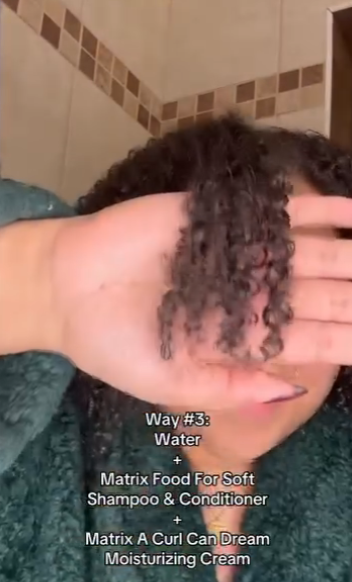
Hair Routine Steps in Order: Cleanse, Condition, Treat, Style, and Protect
Choosing products starts with matching each formula to a clear role in your routine rather than collecting multiple products that promise similar results. Begin with the essentials your scalp and hair need, then add treatments or stylers only when they solve a specific problem. Texture, strand thickness, porosity, damage, climate, and desired finish can all affect whether a lightweight spray, cream, serum, mousse, gel, mask, or heat protectant belongs in your lineup.
Step 1: Cleanse and Condition
Start in the shower with a shampoo and conditioner selected for your main hair goal. Choose the L'Oréal Glycolic Shampoo and Conditioner if you want to focus on shine, or the Garnier Fructis Sleek & Shine Shampoo and Conditioner if frizz control is your priority. Apply conditioner mainly through the lengths and ends before rinsing.
Step 2: Apply Leave-in Treatments
After gently towel-drying your hair, add a leave-in styling product before drying or styling. Work a small amount of the Garnier Fructis Sleek & Shine Anti-Frizz Serum between your palms, then smooth it through damp hair, focusing on the mid-lengths and ends where frizz and flyaways are most noticeable.
Build a Routine Schedule You Can Repeat
Wash day: Cleanse according to scalp needs, condition and detangle, then apply only the leave-in, styling, hold, and protection steps that support your desired result.
Between washes: Refresh only where needed. Use a small amount of water or lightweight product to reshape waves and curls, smooth flyaways, or add moisture to dry areas without coating the entire head again. Finally, protect your style at night to reduce friction and tangling.
Weekly or periodic reset: Check for buildup, dryness, loss of elasticity, excessive tangling, or changes in scalp comfort. Clarify, deep-condition, or use a protein-focused treatment only when the hair's behavior indicates that adjustment is needed. The right cadence depends on product use, activity level, water quality, damage, and scalp condition rather than a universal schedule.
How to Adjust Your Routine When Results Change
- If roots look greasy or flat soon after washing, apply conditioner and styling products farther from the scalp, use less product, or reassess cleansing frequency.
- If hair feels waxy, coated, or difficult to wet, check for buildup and consider a clarifying wash.
- If waves or curls lack definition, apply styling products to wetter hair, reduce heavy layers, or add more hold. You could also try a scalp clarifying treatment because the problem could stem from product buildup.
- If hair feels rough or frizzy, review conditioning, friction, humidity protection, and drying technique before adding multiple new products.
- If strands feel unusually stiff or brittle after a strengthening treatment, pause that treatment and focus on conditioning.
- If hair stretches excessively, tangles more than usual, or breaks during detangling, reduce manipulation and reassess damage, moisture, and strengthening needs.
- If persistent scalp irritation, sudden shedding, or unexplained thinning occurs, you should discuss it with a qualified medical professional.
Your Custom Hair Routine Questions, Answered
Building a custom hair routine can feel easier once you understand the basics. These answers can help you decide how often to wash, how to layer products, and when to add targeted treatments into your weekly lineup.
How much product should I use in my hair routine?
Always start with a small amount—a dime-sized drop for serums or a quarter-sized amount for shampoos and conditioners—and add more only if needed. Using too much product can weigh hair down or cause buildup.
Do I need a special treatment every week?
While not strictly necessary for everyone, incorporating a weekly treatment like the L'Oréal EverPure Lamination Mask can provide a periodic boost to address concerns like dullness or dryness, helping to maintain the hair's appearance over time.
Product selections are made using editorial research and brand knowledge; personal use or testimonials are noted where applicable.


