


TL;DR: To make fine hair look thicker without heat, focus on protective styles like braids and updos, use volumizing products like mousse and texturizing powder, and employ techniques like the flat wrap blow-dry method or Velcro rollers. These methods add volume while minimizing damage.
It goes without saying that an intentional hair care routine is essential for a healthy head of hair—one that both that looks hydrated, shiny, and full. Effective healthy-hair habits can include regular washing and conditioning, applying products that cater to your hair type and needs, maintaining scalp balance and moisture, and limiting heat exposure. The latter, however, can be a tough guideline to follow—especially if you have fine hair.
Achieving volume often seems to require a trade-off between heat styling (and potential damage) or limp, lifeless strands. The good news? You don’t have to compromise. By mastering protective, heatless styling techniques—and choosing the right volumizing products—you can create fuller, thicker-looking hair while prioritizing gentle, damage-free care. Ahead, discover easy ways to boost volume and confidence, all without turning up the heat.
Key Takeaways
- Protective, heatless styles help reduce the occurrence of breakage and add perceived volume.
- Lightweight products are key for lift without residue.
- Proper technique in styling and intentional hair care is crucial for maintaining volume.
Why Protective, Heatless Styling is Important for Fine Hair
To understand why heatless styling is so beneficial, the nature of fine hair must first be understood. Each strand has a smaller diameter and a more delicate structure than other hair types, making it significantly more susceptible to damage from both heat and physical stress.
Protective, heatless styles are designed to minimize this exact type of stress. They help reduce friction, over manipulation, and avoid high temperatures that can lead to visible signs of damage. For fine hair, preserving every strand is critical to maintaining density and fullness.
When you use heat, you risk creating split ends and breakage, which makes fine hair look even thinner and less healthy. By adopting a heatless approach, you are choosing a path that helps maintain hair integrity, which is an important foundation for achieving natural-looking volume.
Your Guide to Heatless Volumizing Techniques and Styles
There are several effective heatless methods to add volume and texture to fine hair. Each technique works differently to create lift and body, from root-boosting overnight sets to trendy, gentle updos. Below, find a breakdown of various methods.
Technique 1: Overnight Waves with Loose Braids
This technique involves sleeping in one or two loose braids to create a natural wave pattern.
Why It’s Great for Fine Hair: For fine hair, this is ideal because it creates all-over texture and movement without a single hot tool, making the hair appear much fuller and preventing the limp, straight look that can emphasize thinness.
How to Do It:
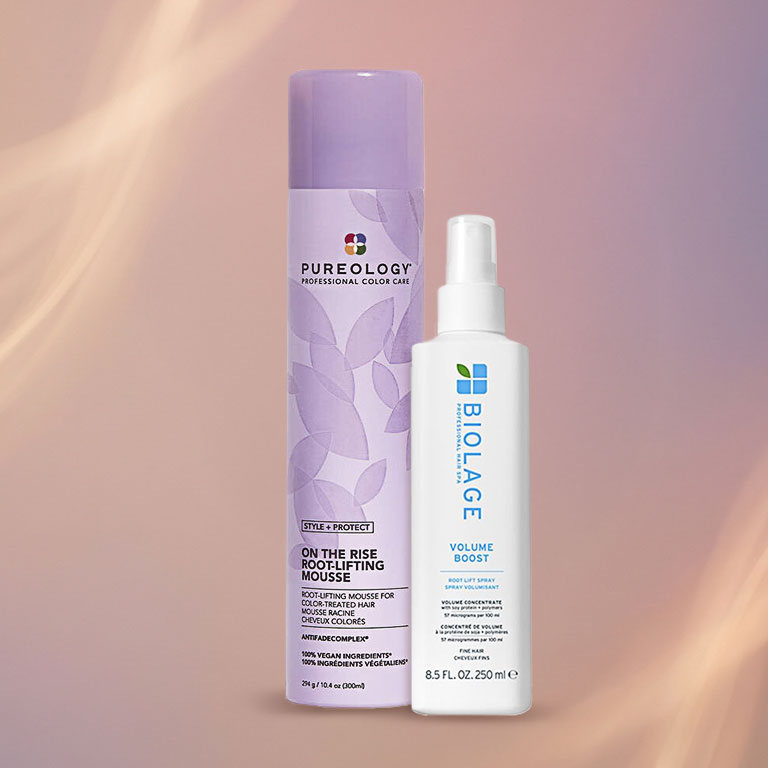
- Start with hair that is about 80 percent dry. On your damp hair, distribute a golf-ball-sized amount of a lightweight volumizing mousse, like the Pureology Style + Protect On The Rise Root Lifting Mousse, from roots to ends. This provides memory and hold without weighing hair down.
- Create one or two loose French braids. Do not pull tightly at the scalp; the goal is gentle tension to create the wave, not stress the roots.
- Secure the ends with a gentle tie, like a silk scrunchie, to help minimize breakage.
- In the morning, gently undo the braids and use your fingers—never a brush—to separate the waves. Finish with a light mist of texturizing spray, such as the Biolage Volume Boost Volumizing Spray for Fine Hair, to add grip and longevity.
Technique 2: Maximum Root Lift with Velcro Rollers
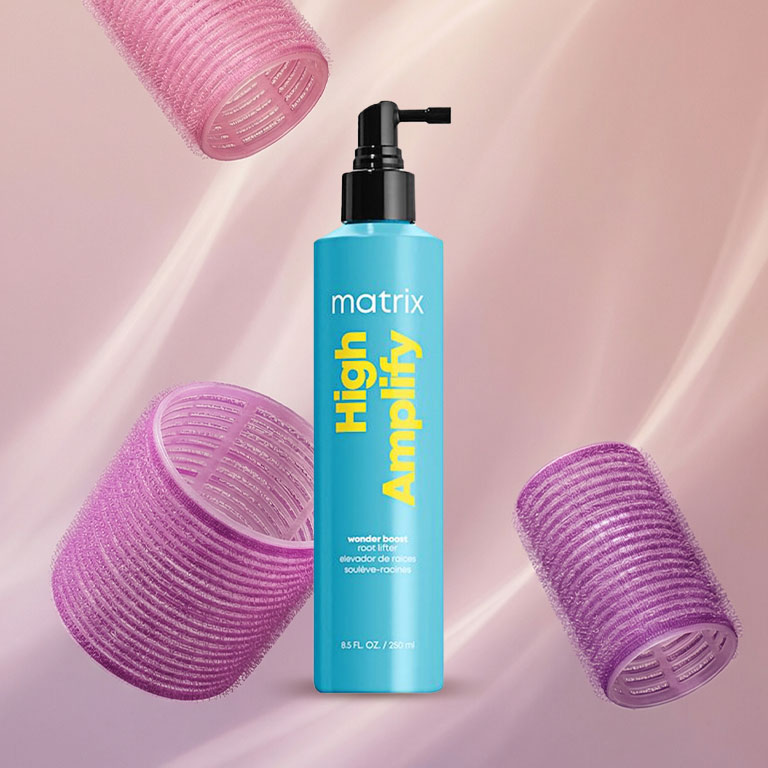
Using large Velcro rollers on damp or dry hair is a classic technique for a reason. It helps create significant lift directly at the root and adds soft volume.
Why This Method Works for Fine Hair: For fine hair that tends to fall flat at the crown, rollers provide a level of lift that is difficult to achieve otherwise, all while being gentle on the hair.
How to Do It:
- On damp hair, spray a targeted root-lifting product, like the Matrix High Amplify Wonder Boost Root Lifter, directly onto the scalp area you want to volumize. Its targeted applicator makes it easy to apply precisely where you need lift.
- Take a two-inch section of hair at the crown, pull it taut and straight up, and roll a large Velcro roller from the end of the hair down to the scalp. Secure it.
- Repeat with 3-4 more rollers along the top section of your head.
- Let your hair air dry completely. You can use a blow dryer on a cool setting to speed this up.
- Gently remove the rollers and tousle your roots with your fingers to blend the sections.
Technique 3: The Effortless Claw Clip Twist
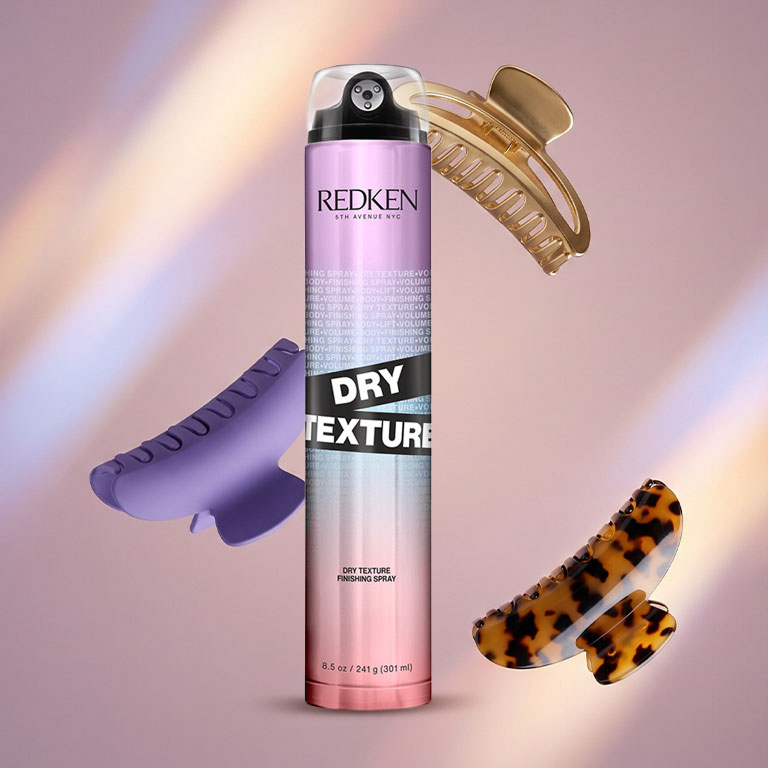
This trendy style is a great protective option for fine hair. It involves gathering and twisting the hair up and securing it with a claw clip.
Why This Style Works for Fine Hair: This keeps fragile ends tucked away and protected from friction, while also providing a gentle lift at the roots. Not to mention, it’s a chic style that helps reduce tension on the scalp.
How to Do It:
- For better grip and a fuller-looking twist, start by spritzing dry hair with a texturizing spray like the Redken Dry Texture Spray.
- Gather your hair into a low ponytail.
- Twist the ponytail upwards toward the ceiling, folding it back on itself once you reach the desired height on the back of your head.
- Secure the entire twist firmly with a large claw clip.
- Gently pull out a few face-framing pieces to soften the look and use your fingers to gently pull at the hair on the crown to enhance volume.
How To Choose the Right Protective Style for Your Hair Type
Not every style works for every length. Fine hair, in particular, has different needs whether it's short and light or long and heavy. Use this table to find the most effective and flattering heatless styling approach for you.
Hair Length: Short (Bob/Lob)
Heatless Style: Root Clipping
Why It Works for Fine Hair: Short hair gets flat at the crown easily. Using small clips at the roots while air-drying lifts the hair directly off the scalp, creating volume right where you need it most without affecting your blunt ends.
Hair Length: Medium (Shoulder-Length)
Heatless Style: Velcro Rollers
Why It Works for Fine Hair: This length works for achieving a bouncy, full-bodied look. The hair is long enough to wrap fully around large rollers but not so long that its own weight will pull the volume out immediately. It creates salon-worthy body.
Hair Length: Long
Heatless Style: Overnight Loose Braids
Why It Works for Fine Hair: Long, fine hair is easily weighed down. All-over waves from loose braids add texture from root to tip, preventing the hair from looking limp and stringy. It creates the illusion of more density throughout the entire length.
Your Fine Hair Questions, Answered
How can I make my long, thin hair look thicker?
To make long, thin hair look thicker, focus on creating texture and lift. Start with a blunt haircut to create a fuller-looking baseline. Use volumizing shampoos and lightweight mousses. Style with heatless techniques like overnight braids or large rollers to create waves and body. A texturizing spray can be used for adding grit and separation, which gives the illusion of more hair.
What is a gentle hair care routine for fine hair?
A gentle routine involves careful handling and using the right products. Wash less frequently with a sulfate-free shampoo, like L’Oreal EverPure Sulfate Free Iron Sleek Smoothing Shampoo, to avoid stripping the hair’s natural oils. Condition only the ends. Look for products with volumizers like clay or rice water. Incorporate scalp massages to boost circulation. A silk pillowcase can also reduce friction and breakage while you sleep.
Can protective hairstyles help my hair look longer?
Protective styles can help with length retention, which is often mistaken for faster hair growth. They don't stimulate follicles to grow hair faster, but they do protect your fragile ends from breaking off. By reducing daily wear and tear, more of your hair reaches a longer length, making it appear as though it's growing faster.
Will sleeping in braids damage my fine hair?
Sleeping in braids won't damage fine hair if done correctly. Ensure the braids are loose and not pulling at the scalp. Use a soft hair tie like a silk scrunchie to secure the ends. This gentle tension is enough to create a wave pattern without causing stress or breakage. If your hair is very fragile, consider a single loose braid.
What's the difference between mousse and volumizing powder?
Mousse is typically applied to damp hair to provide all-over volume, lift, and hold as it dries. It creates a 'scaffold' for a fuller style. Volumizing powder, on the other hand, is applied to dry hair, usually at the roots, to absorb oil and provide instant, gritty texture and lift. Mousse is for foundation; powder is for finishing and touch-ups.
Product selections are made using editorial research and brand knowledge; personal use or testimonials are noted where applicable


