


TL;DR: Caring for thick, curly hair is all about drenching strands in moisture, dialing down the heat, and mastering specific techniques to enhance your curl’s natural definition and reduce frizz. A thoughtfully consistent routine with the right products is key to maintaining healthy-looking, head-turning curls.
Key Takeaways:
- Hydration is the cornerstone of healthy, vibrant, and thick, curly hair.
- Application methods (like layering) and the right styling techniques are as important as the product themselves.
- A combination of daily care and weekly treatments is likelier to produce optimal results.
Thick curly hair is celebrated for its density and its signature coily or s-shaped strands. Yet this texture also tends to be drier, more prone to frizz, and often requires extra TLC to look and feel its best. Since the scalp’s natural oils don’t travel as quickly down spiral strands, moisture retention and strengthening are important considerations. Identifying your unique curl type—and taking into account factors such as hair porosity, climate, density, grooming habits, and sebum production—are key steps in building an ideal care routine.
Whether your curls are soft and wavy or tight and coiled, the secret to gorgeous, defined thick curls is a personalized approach that champions hydration, smart product layering, and mindful styling techniques. To cover all the basics, here’s where to start with proven essentials from each care category:
Hydrating Cleansers:
- Pureology Hydrate Shampoo
- Matrix Food for Soft Hydrating Shampoo
- L'Oréal Professionnel Metal Detox Shampoo
Conditioners & Masks:
Leave-Ins & Detanglers:
- Mizani Miracle Milk
- Matrix Miracle Creator Multi-Tasking Hair Treatment
- Pureology Color Fanatic Multi-Tasking Leave-In Spray
Oils, Serums & Finishers:
- Kérastase Elixir Ultime Oil
- Pureology Hydrate Glow Catcher Oil
- Shu Uemura Essence Absolue Nourishing Protective Oil
Repair & Anti-Frizz Treatments:
Now, read ahead to learn more about building a routine for healthy-looking and defined thick, curly hair.
The Different Curl Types in Thick Hair
While you may have thick hair, your curl pattern could fall anywhere from wavy (Type 2C) to tight coils (Type 4C). Knowing your type can help in selecting products and styling methods tailored to your unique curls:
- 2C (Wavy-Curly): S-shaped waves with spiral definition, moderate volume, and some frizz—benefits from lightweight creams and gels.
- 3A–3B (Loose to Medium Curls): Defined ringlets that are thick and need hydration—benefits from styling creams and leave-in treatments.
- 3C–4A (Tight Curls to Coils): Tighter, springy curls with significant shrinkage; high density makes moisture and sealing products essential.
- 4B–4C (Coils and Zig-Zags): Densest curl pattern; high shrinkage and strong curl memory. Moisture resistance linked to porosity and cuticle condition, rather than strand thickness alone. Routine deep conditioning is commonly beneficial.
How to Build a Care Routine for Thick Curly Hair
Now that you understand the characteristics of your hair, it's time to build a consistent care routine built on moisture and gentle handling. Here’s how to get started:
Washing and Cleansing
Thick curly hair doesn’t require frequent washing as it can strip the hair of its natural oils. Typically, 1-3 times per week is common, but other factors such as scalp oiliness, product buildup, climate, and activity level should be taken into account.
PRO TIP: Consider pre-shampooing (pre-poo) with an oil or conditioner to detangle and form a moisture barrier before shampooing. This also minimizes breakage and dryness. And when possible, use gentle, sulfate-free cleansers or co-washes that retain natural moisture and won’t strip delicate strands.
Conditioning and Detangling
Conditioning takes center stage in the regimen for thick, curly hair. A good conditioner provides moisture, helps smooth the hair cuticle, and provides slip for detangling, which can help minimize breakage. When selecting a conditioner, look at the ingredient list. Formulas with humectants, emollients, and proteins can address different needs as outlined in the table below.
| Ingredient Type | Examples | Role for Thick Curly Hair |
|---|---|---|
| Humectants | Glycerin, aloe vera, honey | May draw moisture to the strand and support hydration; but might not perform as well in low-humidity environments. |
| Emollients | Shea butter, argan oil, jojoba | May help lock in moisture by flattening the cuticle, preventing hydration from evaporating; also coats the strand giving it a soft and glossy appearance. |
| Proteins | Hydrolyzed keratin, silk proteins | May reinforce hair structure when balanced with moisture, but its effects depend on hair condition—too much can cause stiffness. |
| Film-forming agents | Flaxseed, marshmallow root | May help support curl clumping and definition during styling. |
Product Layering — LOC and LCO Methods
How you layer your products can make a major difference in maintaining hydrated, defined curls. The LOC method—short for liquid, oil, and cream—begins with a leave-in or water-based product to deliver initial moisture, followed by oil to help lock in that hydration, and finishes with a cream for additional hold and styling support. For those who find that oils weigh their hair down when applied second, the LCO method offers an easy swap of the last two steps.
Product weight is just as important as the order of application. For many, starting with a lightweight leave-in, a medium-weight oil, and a richer cream provides a balanced framework—but the unique needs of thick, curly hair mean some tweaking is often required. Factors like porosity, density, and curl pattern vary from person to person, so finding your ideal routine may take a little experimentation to see what keeps your curls hydrated, bouncy, and frizz-free.
- LOC (Liquid, Oil, Cream): works for most thick curly hair routines focused on building moisture from the base.
- LCO (Liquid, Cream, Oil): works well for hair easily weighed down by oils.
Thick Curly Hair Wash Day Routine
1. Pre-wash detangle (optional): Section hair into 4–6 parts and gently detangle from ends to roots using your fingers or a wide-tooth comb before wetting.
2. Cleanse: Wash with a sulfate-free shampoo or co-wash as needed. Clarify when hair feels coated, buildup is visible, or styles lose their hold to help refresh your hair and scalp.
3. Deep condition: Apply a thick, hydrating mask generously and leave on for at least 15–30 minutes. Using gentle heat, like a shower cap or hooded dryer, can enhance absorption—just be mindful that excessive heat may cause dryness or damage.
4. Leave-in conditioner: Apply a leave-in conditioner to soaking wet hair for an extra boost of moisture and slip before styling.
5. Style with LOC or LCO: Layer curl defining creams, gels, or oils in your preferred order. For defined curls, try scrunching upward or use techniques like rake-and-shake or finger-coiling.
6. Dry: Air-drying helps minimize damage and maximize volume, while using a diffuser on low speed and low heat can speed up drying time. Keep in mind that frequent or high-heat styling may cause dryness or damage over time. For added definition and less frizz, try plopping with a microfiber towel to help set your curl shape.
How to Style Thick Curly Hair
Technique matters as much as product when styling thick curly hair. Curl definition, volume control, and frizz management all depend on how products are applied and how the hair is dried. Mastering a few key methods can help you make the most of your natural texture.
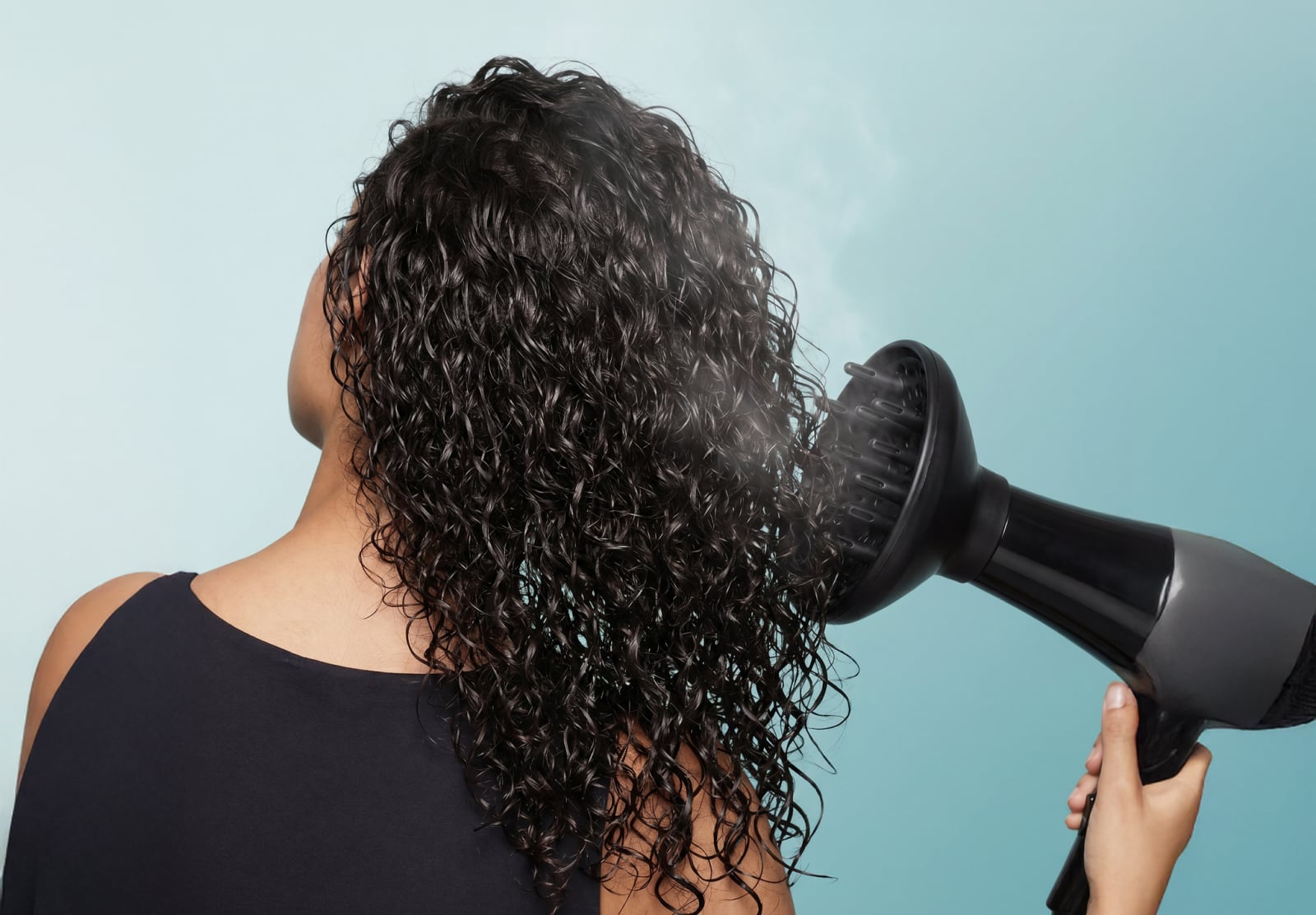
Diffusing Thick Curly Hair
Diffusing is a practical option for drying thick curls faster than air drying, which, while gentler, can be time-consuming. Use low heat and speed, and hover the diffuser over sections to help reduce frizz and maintain curl shape without disrupting your pattern.
Plopping and Microplopping
Plopping involves wrapping wet, styled hair in a microfiber towel or T-shirt for 15–30 minutes to absorb excess water and set curls before drying. Microplopping uses the same cloth to scrunch product into wet hair, helping to boost curl clumping and definition.
Tips for Shorter Thick Curly Hairstyles
Shorter thick curls benefit from lightweight leave-ins and curl creams applied sparingly, and diffusing closer to the roots can all help support shorter styles without flattening them. Co-washes or low-lather cleansers are formulated to gently clean hair while preserving moisture and supporting curl shape.
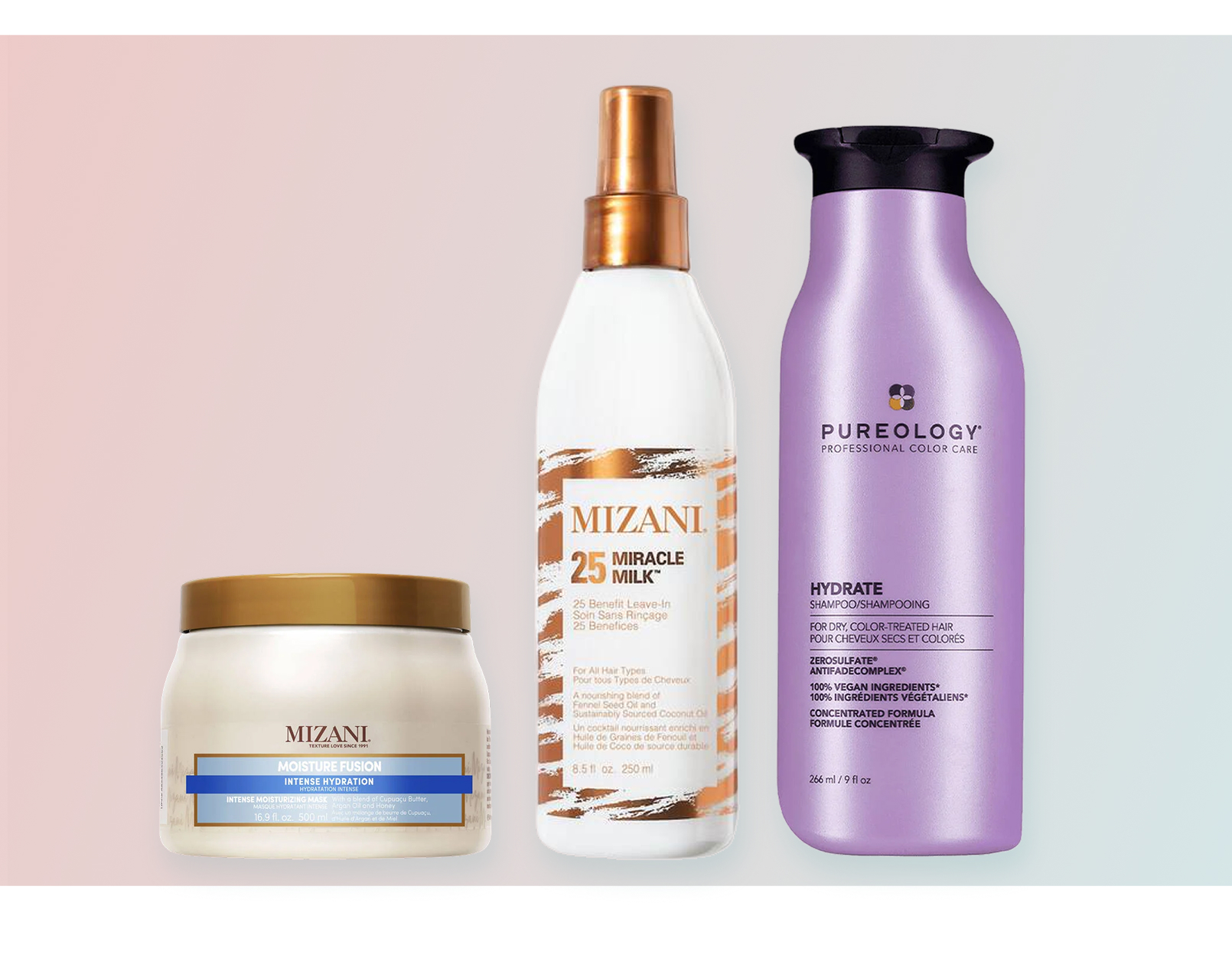
Product Picks for Thick, Curly Hair
With so many hair products on the shelves, finding the right match for thick, curly hair can feel daunting. Here is a curated selection of standout L’Oréal formulas—each crafted to meet the unique needs of curls at every step, from cleansing and conditioning to styling and finishing.
| Product Category | Product Name | Key Ingredients | How to Use | Ideal For |
|---|---|---|---|---|
| Moisturizing Cleanser | Pureology Hydrate Shampoo | Rose and Green Tea extracts; Antifade Complex® | Apply a dime-sized amount to wet hair, emulsify with water, and massage into scalp. Work the lather through the lengths. Rinse and repeat if needed. | Thick, curly hair that needs a gentle, moisture-focused cleanse, especially when dryness or color care is a priority. |
| Deep Conditioning | Mizani Moisture Fusion Mask | Argan Oil, Honey, Cupuaçu Butter | Apply after cleansing, concentrating on mid-lengths and ends. Work through gently in sections to support detangling. Leave on for 15-20 minutes, then rinse thoroughly. | Thick, curly hair that feels dry, rough, or difficult to detangle and benefits from an intensive weekly moisture treatment. |
| Leave-In for Moisture and Detangling | Mizani Miracle Milk | Coconut Oil Fennel Seed Oil Xylose | Spray evenly onto damp hair after washing and conditioning. Distribute through sections from mid-lengths to ends. Follow with a cream, gel, or oil if additional definition or sealing is needed. | Thick curly or coily hair that needs moisture, easier detangling, and a versatile prep step before styling. |
Frequently Asked Questions
How do I refresh second-day thick curly hair?
To revive thick curls on day two, lightly mist with water, scrunch in a lightweight leave-in or diluted styling cream, then air-dry or quickly diffuse for extra volume. For an added boost in shine and definition, apply a touch of oil to the ends.
Should I use gel on thick curly hair?
Gel can be a great option for thick curls, especially when layered over a styling cream. A medium-hold, alcohol-free gel helps lock in definition and reduce frizz. Once hair is fully dry, gently scrunch out the cast (SOTC) for soft, bouncy curls.
What’s the difference between thick and dense hair?
Thickness refers to the diameter of each strand; density describes the number of strands per area. Both play key roles in routine and product needs.
The Bottom Line on Thick Curly Hair
Thick curly hair thrives on moisture, gentle care, and customized product layering. Routine deep conditioning, smart styling, and the right products can make curl definition, frizz control, and softness easy—whatever your curl type or length. Remember, there’s no single rule. The LOC method and wash-day steps are just starting points. For optimal results, tune your approach to your unique hair and environment.
Explore more pro-inspired tips and products designed for thick, curly hair at hair.com.
Product selections are made using editorial research and brand knowledge; personal use or testimonials are noted where applicable


